
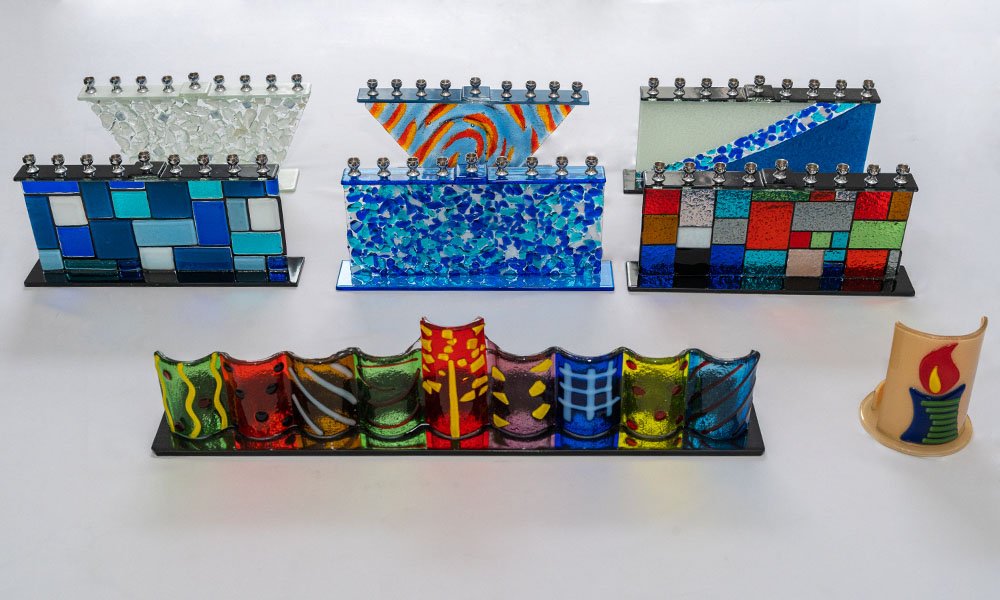
Kiln formed glass art depends heavily on material consistency. The type of sheet you choose affects not only color and appearance but also structural stability. Artists who review options such as https://hollanderfusingcenter.com/collections/fusible-glass are usually searching for sheets manufactured specifically for compatibility in kiln firing.
Because when materials are wrong, even perfect design planning cannot prevent failure.
Glass that is not tested for fusing may expand at a different rate. That difference creates internal tension. And tension eventually wins.
Compatible Glass Is the Real Foundation
Before thinking about style, understand expansion behavior.
Fusible glass is produced with controlled Coefficient of Expansion, commonly labeled as COE 90 or COE 96. Mixing different ratings inside one piece can cause cracking during cooling or days later.
To avoid this:
- Use one COE rating per project
- Keep scrap pieces labeled
- Do not mix unknown glass
- Read product details carefully
Compatibility is not optional. It is structural.
Thickness and Structural Planning
Standard fusible sheets are typically similar in thickness. However, layering uneven builds can introduce stress during cooling.
Balanced stacking improves stability.
For example:
- Two layers of equal thickness cool evenly
- A thick center with thin edges may cool unevenly
- Even distribution across the surface reduces tension
Planning thickness is not about making pieces heavy. It is about cooling behavior.
And cooling is often where mistakes reveal themselves.
Specialty Textures and Surface Effects
Textured sheets add interest before firing. Some textures soften during full fuse firings, while others remain visible in tack fuse schedules.
Consider:
- Whether you want a smooth surface
- If raised texture should remain
- How temperature affects detail retention
Testing small samples helps. Each kiln behaves slightly differently, even under similar settings.
Layering Techniques That Add Dimension
Layering is where material choice becomes creative.
Basic layering ideas include:
- Clear base with colored shapes
- Transparent overlays to shift tone
- Thin stringers for line detail
- Small frit accents between sheets
The key is maintaining compatibility while building visual interest.
And sometimes restraint produces stronger results than heavy layering.
Where to Source Reliable Fusible Sheets
Reliable suppliers group compatible sheets clearly and label COE ratings accurately. Many kiln artists prefer browsing organized collections like https://hollanderfusingcenter.com/collections/fusible-glass because materials are categorized specifically for fusing applications.
Clear labeling prevents accidental mixing.
Frequently Asked Questions
Can I mix different brands if COE matches?
Yes, if the expansion rating is identical. Testing small samples is still recommended.
Is thicker glass stronger?
Not always. Balanced thickness and proper annealing matter more than total thickness.
What causes delayed cracking?
Internal stress from incompatible glass or uneven cooling.
Do beginners need specialty textures?
No. Simple smooth sheets are easier to control when starting.
Creating kiln formed glass art begins with selecting compatible, well labeled materials. Understanding COE ratings, planning thickness evenly, and using appropriate layering techniques all contribute to stable results. When material quality is prioritized from the start, creative decisions become easier to manage and more predictable in outcome.
