
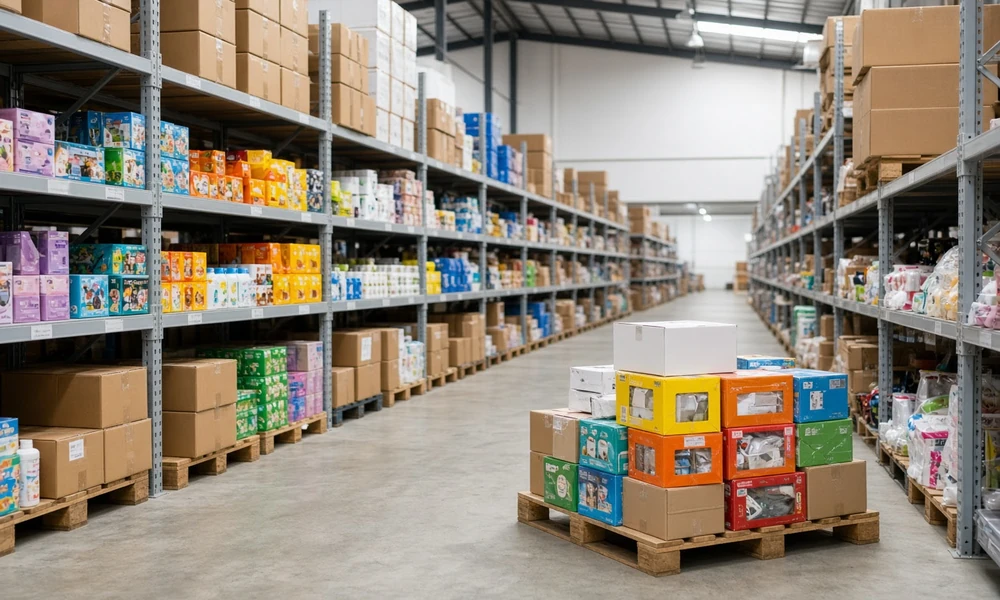
Staring at stalled Amazon FBA inventory in the US can be stressful. Fees pile up, cash sits idle, and account health drops with every passing month of inactivity. If you’ve already tried price drops, deals, or ads, the question becomes: as an international seller, how do you turn excess, returned, or dead stock in the US into cash-quickly and reliably? Dealing from abroad adds barriers with time zones, Amazon’s rules, and US logistics. When your money is thousands of miles away, the key questions are: which liquidation method is fastest, who can you trust, and what is a realistic recovery?
Why International Sellers Need Fast FBA Inventory Liquidation
When inventory lingers in US Amazon warehouses, costs escalate for overseas sellers. Each month, storage charges cut into profits, and higher surcharge rates deepen the losses as units age. Unsold goods also drag down your Inventory Performance Index (IPI), risking restrictions on sending fresh inventory for future sales.
International sellers face additional hurdles. Handling returns or logistics within the US is more complex than just translation. Cash is tied up and stuck abroad, and shipping extra goods back home is rarely cost effective due to taxes, customs, and paperwork.
To recover cash quickly and with minimal difficulty, international businesses often look for liquidation options using partners located inside the US. With several methods available, each with its own timeline and likely payout, it’s important to understand your choices.
Options for Liquidating Amazon FBA Inventory in the US
International sellers have four main ways to turn US-based FBA inventory back into cash:
1. Amazon FBA Liquidations Program
Through Seller Central, you can enroll eligible inventory into Amazon’s Liquidations Program. Amazon sells these goods to liquidators located within the US and manages logistics. Sellers receive payment-a fraction of the original value-when the goods are processed.
2. Removal Orders to a US Address
From Seller Central, you can request that Amazon send products to any address in the US such as a warehouse or prep center, for a fee per item. Once the goods arrive, you can sell them yourself or work with a buyer or liquidator based within the US.
3. Selling Directly to US Overstock Buyers
Some companies in the US specialize in surplus FBA stock, returns, or unsold goods. These buyers take possession after a removal order or warehouse transfer. Payment terms differ: some pay upfront, others pay after inspecting the inventory. Find more details here.
4. Disposal or Donation
Amazon can destroy excess items for a fee, or you can donate stock via the FBA Donations Program (with select charities). Many international sellers miss out on related US tax benefits.
Each path fits the different needs of specific sellers: some provide faster payouts, others provide higher recovery, and some focus on convenience. The majority of international sellers choose between Amazon’s program or direct sale to a US buyer.
Amazon’s FBA Liquidations Program: How It Works
Using Amazon’s FBA Liquidations offers a remote, simple method to shift extra stock held in the US. Here’s what sellers can expect.
Accepted Inventory
Most new or like new goods qualify; some categories and any products considered unfulfillable or seriously damaged are excluded.
Process
Select eligible units in Seller Central. Amazon gathers the goods and sells them through US-based liquidators or wholesalers at a discount.
Costs and Payment Timeline
Once Amazon deducts per unit and referral fees, sellers usually recover about 5-10% of the original inventory value. Payouts are credited to the Seller Central account after the sales are completed, usually in US currency. Expect payment about 2-3 months after initiating liquidation.
What Happens Next
Liquidators typically resell products online or through various discount channels. You won’t get to select where they go. Amazon will restrict you from restocking more of the same item (ASIN) to FBA for 90 days. For branded or private label products, liquidated units may compete with your own listings at lower prices.
Main Pros and Cons
Amazon’s solution is easy and requires no logistics work from abroad. The trade-off is a lower payout, no say over product destination, and a long wait for your funds.
Selling Surplus Stock to US-Based Buyers
Many international sellers prefer selling to direct overstock buyers located in the US for quicker payouts and more flexibility, especially if they can route inventory to a domestic address.
Who Buys Surplus FBA Stock?
Buyers in the US purchase surplus, returned, or shelf-pull products. Some focus on new, branded, or catalog inventory; others are willing to handle mixed lots or lower quality items.
Sales Process
You send a potential buyer a manifest that lists SKUs, condition, quantities, and warehouse addresses. Buyers provide a cash offer per unit, by lot, or for an entire load. The price depends on product category, the time of year, and the item condition. Reliable buyers often pay at the time of pickup, particularly if the stock is consolidated and all paperwork is organized.
The agreement must spell out payment terms, who is responsible for shipping, how in-transit damage will be handled, and when payment is due. Clear documentation-especially proof of ownership-is critical, especially for sellers outside the US.
Typical Payouts
Direct buyers typically pay more than Amazon’s liquidation option, especially for branded, in demand, or current season goods. Mixed or less desirable products fetch lower bids. Always seek bids from more than one buyer and clarify exactly what is included.
If you have large or multiple warehouse inventories, see here for tips on structuring these transactions.
Benefits and Challenges
This method can deliver cash in just days with correct documentation. The main challenge is verifying buyers, as payment timing can vary, and trust is necessary for cross-border transactions.
Handling Inventory at US Warehouses Beyond FBA
For sellers storing merchandise at third party warehouses in the US, liquidation brings additional logistics considerations.
How Logistics Differ
Amazon FBA centralizes control, but inventory stored with an outside provider requires you to arrange counting, packaging, pickups, and paperwork. When inventory is split between locations, buyers may ask to consolidate lots or may offer separate bids for each warehouse.
Buyer Requirements
US buyers expect detailed manifests, product grades, warehouse contacts, and-in some cases-sample photos. You must arrange warehouse release and supply any necessary documents for customs or ownership transfer.
It is important to attend to all details: buyers often request US resale certificates, and you must be able to demonstrate clear title to the inventory to avoid legal or tax problems.
When This Method Works Best
This is a suitable approach for returns, products denied by Amazon, or large orders. However, you need to consider additional costs and possibly communicate with multiple parties.
Learn more here about how US buyers work with non-FBA inventory.
Prepping for Better Cash Recovery
Taking time to prepare well increases how much cash you can recover from selling US overstock. Missing records, unclear manifests, or surprises often reduce offers or delay deals.
Organize Your Inventory
Count and grade every item with accuracy. Separate out items listed as new, like new, or returns, as condition determines value. Use exportable reports from FBA or your own warehouse, but always double check. Remove expired, counterfeit, or restricted items.
Photograph some sample products, especially if the brand or condition is important for value. When buyers are not sure what you have, you get lower offers.
What Buyers Want
Best prices go to branded, well listed, and fully documented goods ready to pick up. Buyers tend to reject mystery cases, mixed lots, or inventory with unclear legal or resale rights.
Clearly indicate any aging products, recalled items, or goods unfamiliar to the US market, as these attract less attention or lower bids.
Checklist for Higher Offers
- Complete item listing (SKUs, quantities, conditions, and warehouse location)
- Photos to represent the inventory
- Warehouse and pickup contact details
- Documents to prove ownership
- Clear payment and liability details
- Resale certificate or sales tax status
- An English speaking company contact available during US business hours
Proper preparation shows buyers you are organized and encourages higher, faster offers.
Key Legal and Tax Considerations
Liquidating from abroad requires more than simply moving product out of storage-it brings regulatory and tax steps to manage.
Sales Tax and Payment Transfers
Bulk sales may trigger state sales tax depending on the buyer and warehouse. In most cases, trustworthy buyers will handle sales tax by providing a resale certificate, but always keep copies of paperwork. To send funds home, use bank wire transfers; sometimes your own country may also want documents to show the transaction was for sold inventory.
IRS and Reporting
International sellers without a company registered in the US are usually not required to file US taxes for occasional inventory sales; however, check local regulations. If you have a US entity, consult an accountant for all compliance questions.
Best Practice for Deal Terms
Every deal must be in writing, detailing shipping terms (such as FCA or FOB warehouse), inspection allowance, and liability for loss. Avoid informal or verbal agreements.
Mitigating Buyer Risk
Work only with established US buyers. Confirm their address and reputation. Ensure your contract covers payment timelines, dispute resolution, and shortage or cancellation procedures.
Skip buyers asking for very steep discounts before shipment or those who present unclear payment terms. Only use traceable, reputable bank channels for payment.
Avoid These Costly Mistakes
Certain errors frequently impact international sellers and result in profit losses.
Unverified Buyers
Making deals without checking references or agreed payment procedures can result in delayed payments, short shipments, or lost inventory. Always insist on signed contracts and traceable payments.
Shipping or Documentation Errors
Failure to secure warehouse approval or complete manifests leads to pickups being turned away. Lax customs paperwork may mean delayed or lost stock.
Talk with every warehouse about their outbound rules, and confirm inventory is not subject to recalls or legal restrictions.
Underestimating Timelines and Costs
Amazon’s liquidation usually requires up to 90 days, and your ability to restock the same ASIN is paused for 90 days. Each additional storage or shipping charge reduces your recovery. Keep careful track of all fees and timelines to avoid negative surprises.
Frequently Asked Questions
How can I liquidate Amazon FBA inventory stored in the US if I’m based overseas?
You can use Amazon’s FBA Liquidations program or issue a removal order to a US address like a warehouse or logistics provider, then sell to a US overstock buyer. Always maintain updated inventory lists and clarify all delivery and payment details before beginning.
How much can I recover from liquidating surplus inventory through Amazon FBA Liquidations?
Sellers usually receive between 5 and 10 percent of original inventory value after fees. The full process, from start to payment, typically takes 60 to 90 days.
What are the main risks when liquidating US-based inventory as an international seller?
Risks include a low payout, slow transfer of funds, unreliable buyers, incomplete paperwork, and logistical or customs snafus. US buyers may resell your inventory locally or on Amazon, possibly impacting your pricing or brand in the process.
Can I liquidate inventory stored at US 3PL warehouses instead of FBA?
Yes. You may coordinate with US overstock buyers to collect inventory from external warehouses. Be sure to provide thorough documentation, secure warehouse approval, and always use written contracts.
Does liquidating inventory affect my Amazon account health?
Clearing out surplus items generally helps your IPI score and may prevent future storage limits. Amazon’s program also causes a 90-day pause in selling those ASINs through FBA.
—
No single approach works for every seller. International sellers are best served by maintaining accurate inventory records, comparing offers from multiple buyers, and treating each liquidation as a structured business transaction. This will lower stress and increase the funds you can reclaim for reinvestment.
